


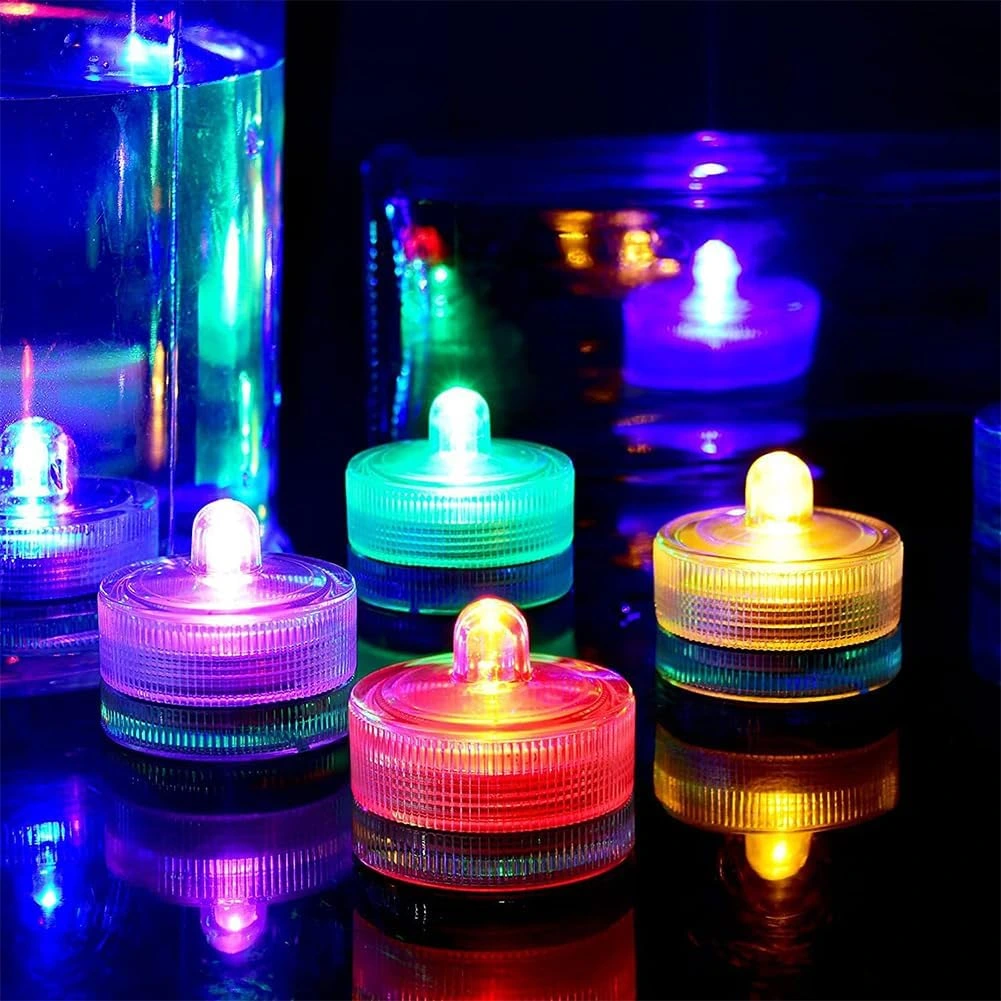
Submersible LED Lights Battery Operated SKU - 251
MRP 848
Inc. of GST
Active Offers
- Package Include - Package includes 12 pack blue submersible LED lights. It can create a great atmosphere indoors and outdoors for parties and more.
- Battery Powered - The submersible lights are suitable for CR2032 batteries (battery is included). They usually illuminate for approximately 2 days.
- Waterproof Submersible Light - The submersible lights are waterproof and can be submerged in liquids. The waterproof material allows it to be used as an aquarium light, bathtub light and more.
- Flameless and Safe - No heat, no flame, LED submersible lights can be safely placed on the water, bed, carpet and anywhere you want without causing fire.
- Wide Application- The submersible LED lights can be used in swimming pools, ponds, ice buckets, fountains, aquariums, vases, fish tanks, hot tubs and more.
- Waterproof Design - Our submersible candle lights are waterproof, and there is no risk of leakage when the lid is tightened up and down. It is very suitable for use as vase lights, pond lights, fish tanks, fountains, aquariums, hot tub accent lighting, etc.
- Long-lasting and Durable - Our underwater LED lights are powered by 2 CR2032 batteries (included), with a runtime of up to 70 hours, and the batteries can be easily replaced according to the instructions on the bottom.If the mini LED tea light no longer lights up underwater, try turning it on again and locking the batteries
- High-quality Materials -The mini LED lights are made of high-quality ABS material and a sealed round silicone ring. The bottom of the candle is a rotating switch, a waterproof ring, and a gasket. When in use, remove the gasket from the rotating bottom and then rotate and tighten it. The candle will light up when placed in water and will not get in.
- Create a Good Atmosphere - No fire, submersible, and waterproof. No smoke, wax, or dirt needs to be removed. The bright LED flower lights are suitable for festive event atmosphere decorations to create a warm atmosphere.
- Wide Application - Beautiful decorative underwater night light, suitable for weddings, parties, dating, Valentine's Day, holiday celebrations, family dinners. It is also a perfect decorative light for vases, bars, hotels and outdoor (such as swimming pools, beaches and camping).
FAQs
Discover a curated selection of professional-grade floral products—crafted to support every stage of floral design, from creation to care.
Here are the best practices for storing floral foam:
1. Keep it dry until use
-
Store foam in its dry block form in a cool, dry place.
-
Avoid humidity, because foam can start to absorb moisture from the air and lose effectiveness.
2. Temperature control
-
Room temperature (around 18–24°C / 65–75°F) is ideal.
-
Don’t leave foam in direct sunlight, near heaters, or in damp basements—it can crumble or warp.
What Sets Floralife® Apart
1. Science-Driven, Research-Backed Solutions
-
Decades of innovation: Since launching the first flower food in 1938, Floralife® has built a reputation as a global leader in postharvest flower care. They’ve continually invested in R&D with in-house chemists and horticulturists to tailor solutions across different flower types and supply-chain needs.Produce LeadersFloraLife
2. “Express Technology”—Feeding Without Recutting
-
Convenience + efficiency: Floralife®’s Express line (Express 100, 200, 300—with “Ultra” versions) enables hydration and feeding of cut flowers without the need to recut stems, saving labor and reducing waste.
Yes 🌸 — Floralife® does offer support and training for florists and floral professionals.
Here’s what they provide:
1. Technical Support & Guidance
-
Floralife® has a technical service team of postharvest experts who help florists troubleshoot issues (hydration, vase life, storage, etc.).
-
They provide step-by-step usage instructions, dosage charts, and handling guides for all their products.
2. Workshops & Training
-
They conduct hands-on training sessions, webinars, and seminars for florists, wholesalers, and retailers.
1. Flower Food Packets
-
Recyclable packaging: Many Floralife® flower food packets are now made with recyclable polypropylene (PP) or recyclable paper.
-
Carbon neutral: Floralife® has assessed the carbon footprint of these packets and offset it through verified projects (like REDD+ reforestation and renewable energy).
-
Biodegradability: The contents (flower food solution) are biodegradable in water, but the packets themselves depend on local recycling facilities.
Related Products

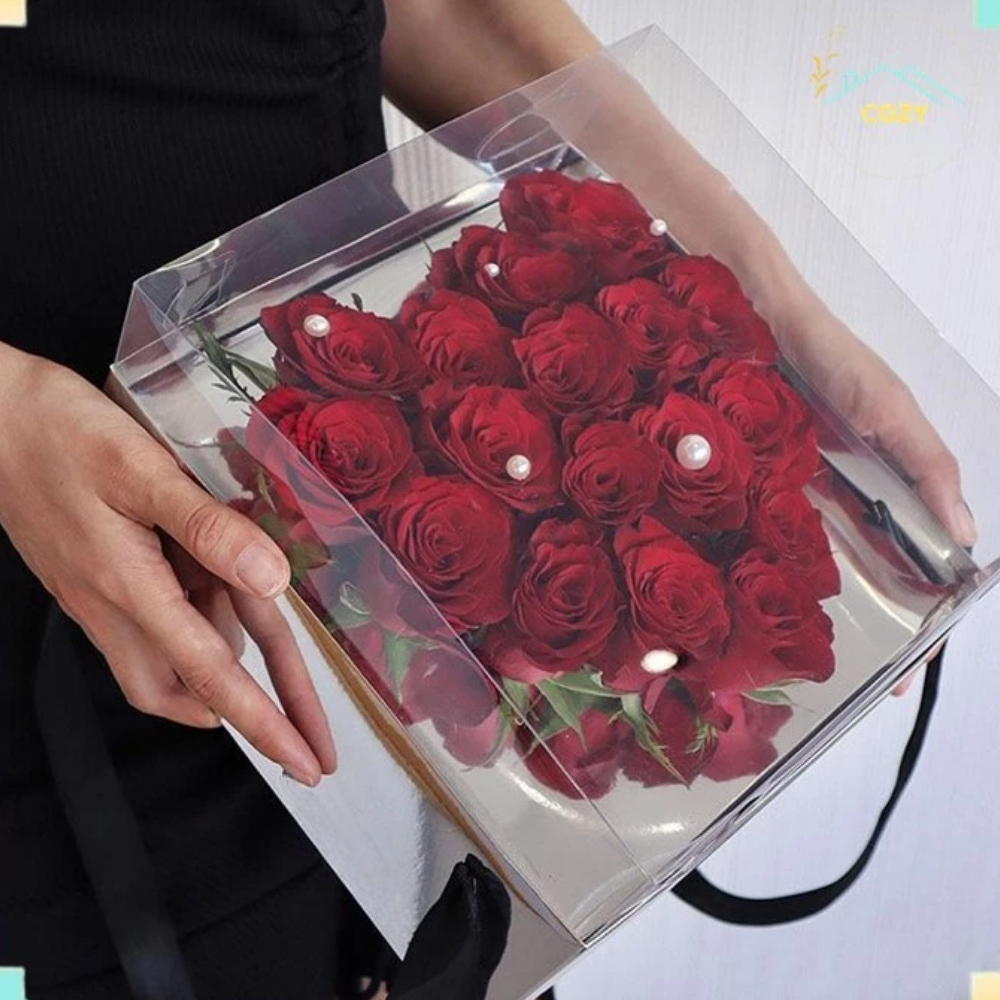
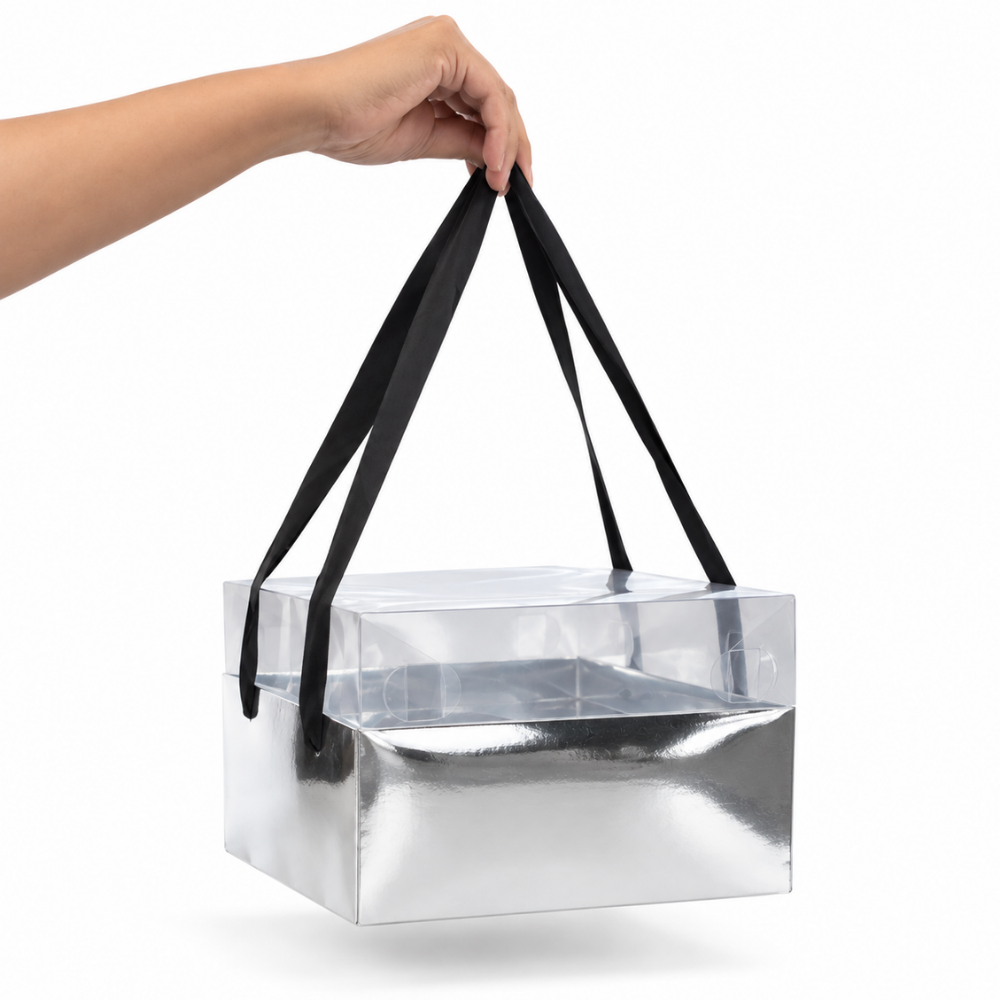
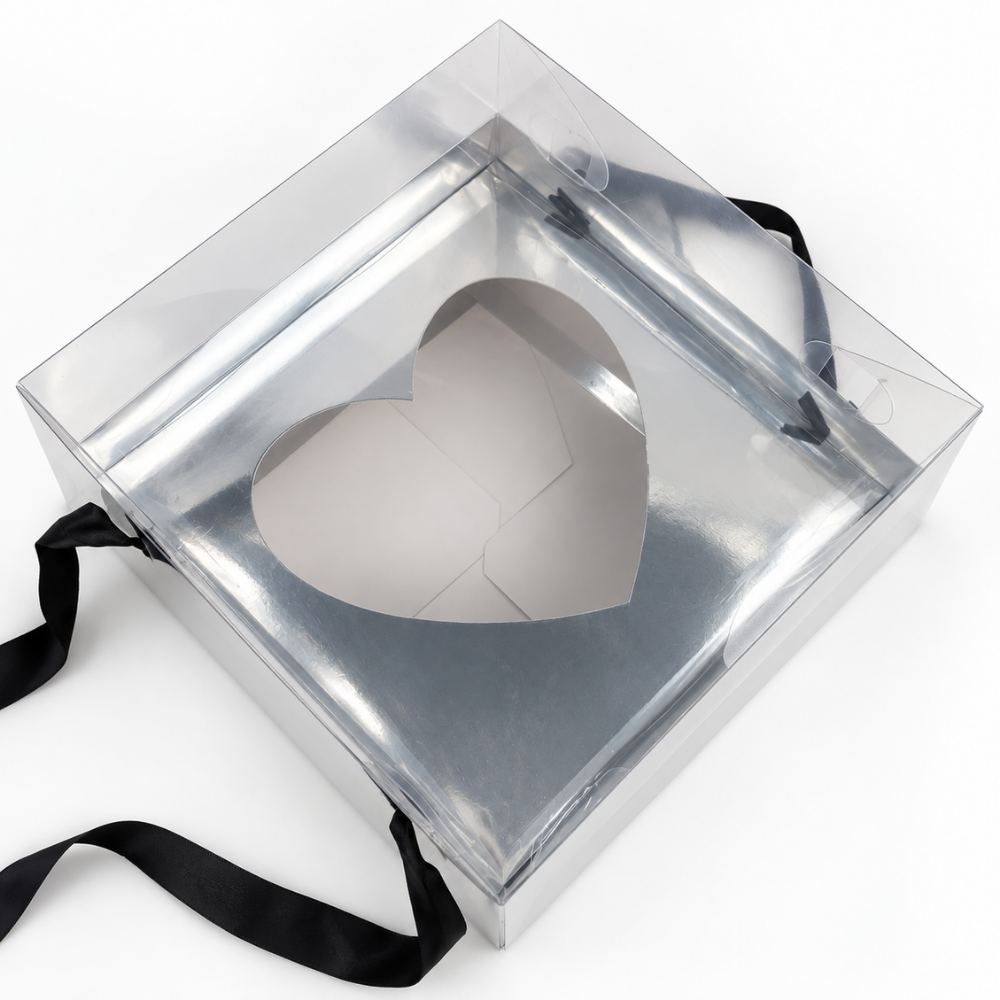
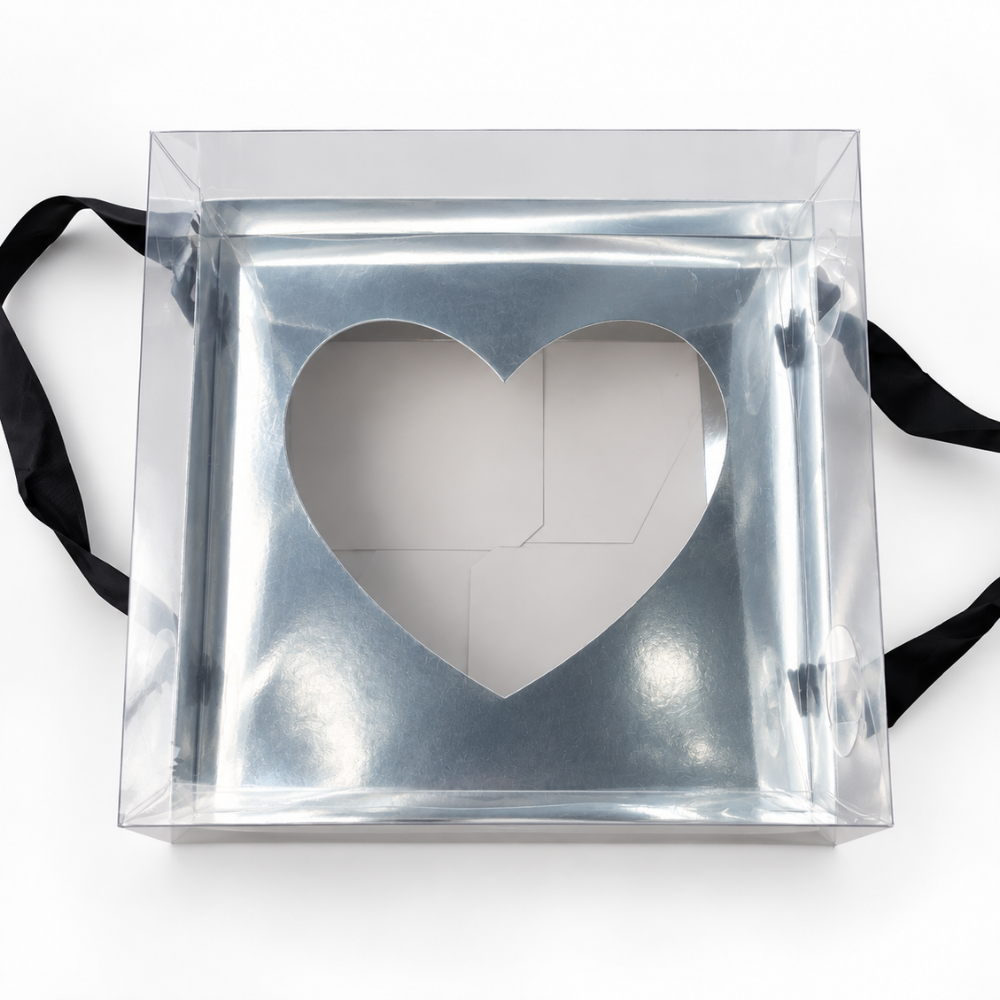
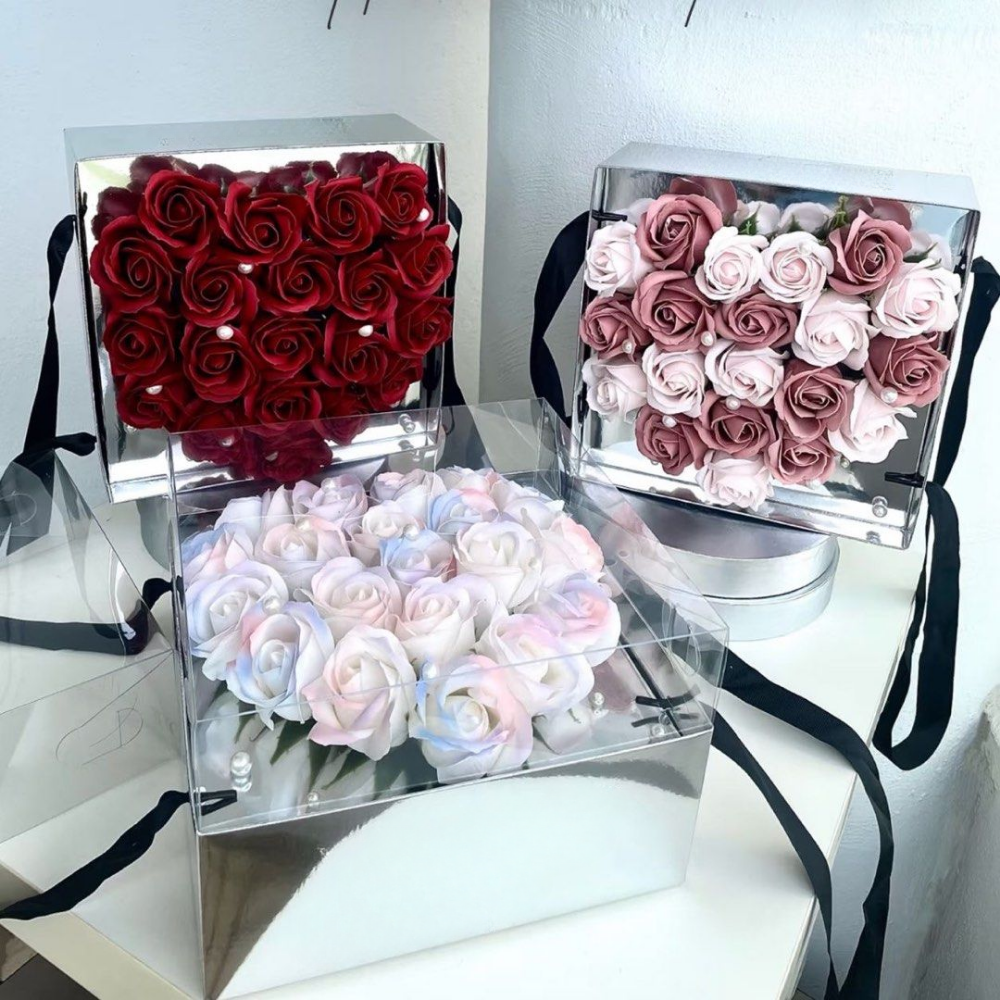
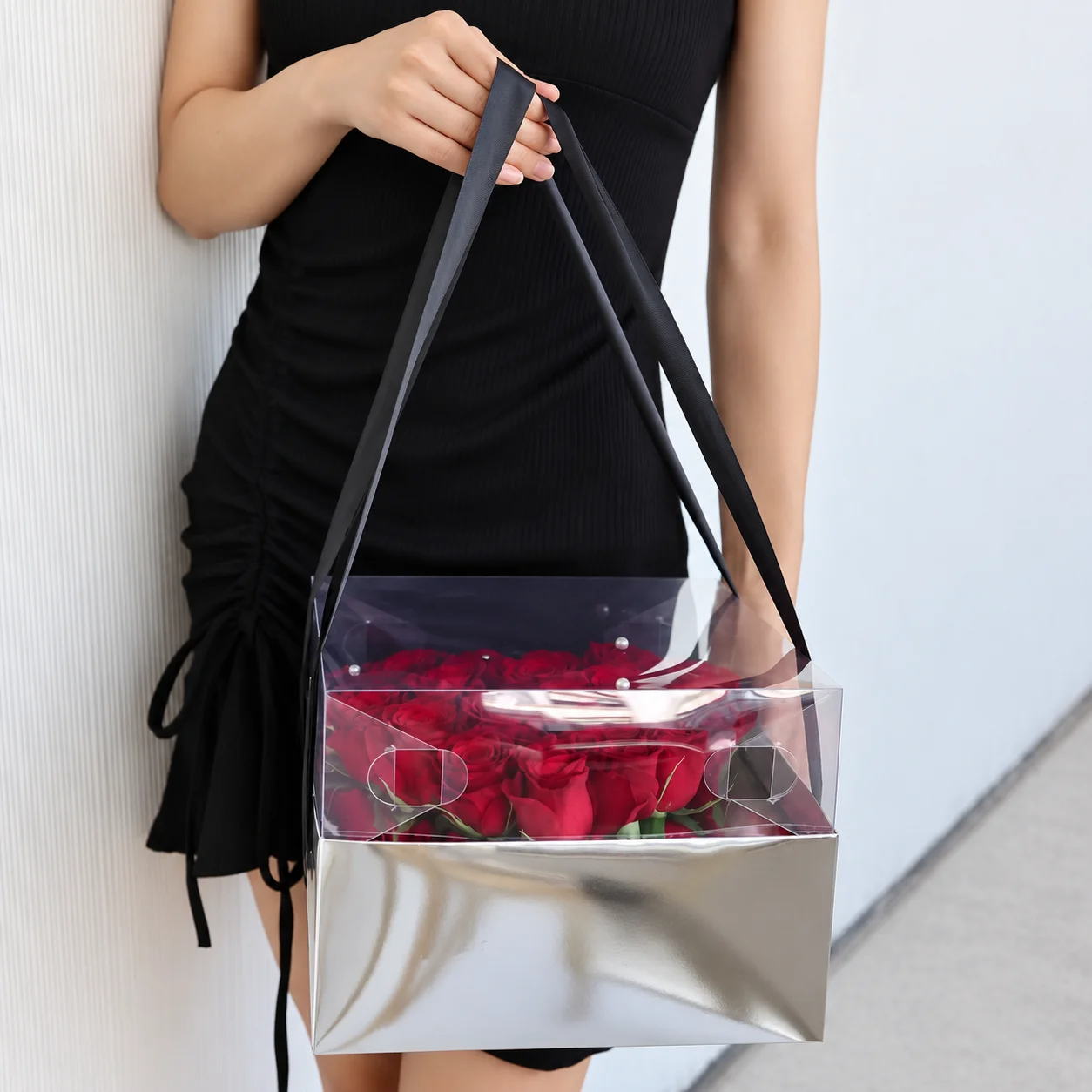
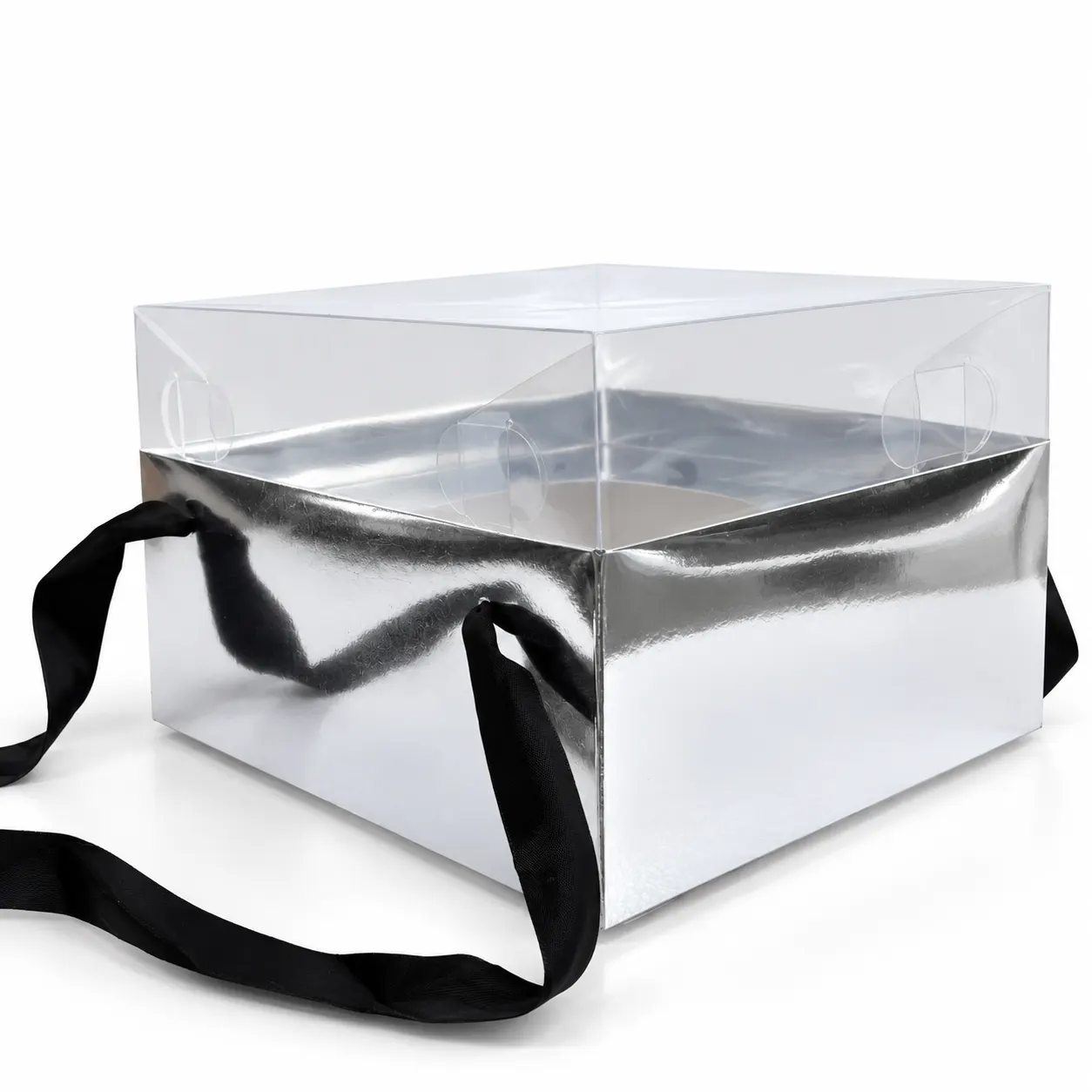
Oasis® Silver Foldable Heart Cut-Out Hamper Box With Transparent Lid – Set Of 10
1,525
2,200
31% Off
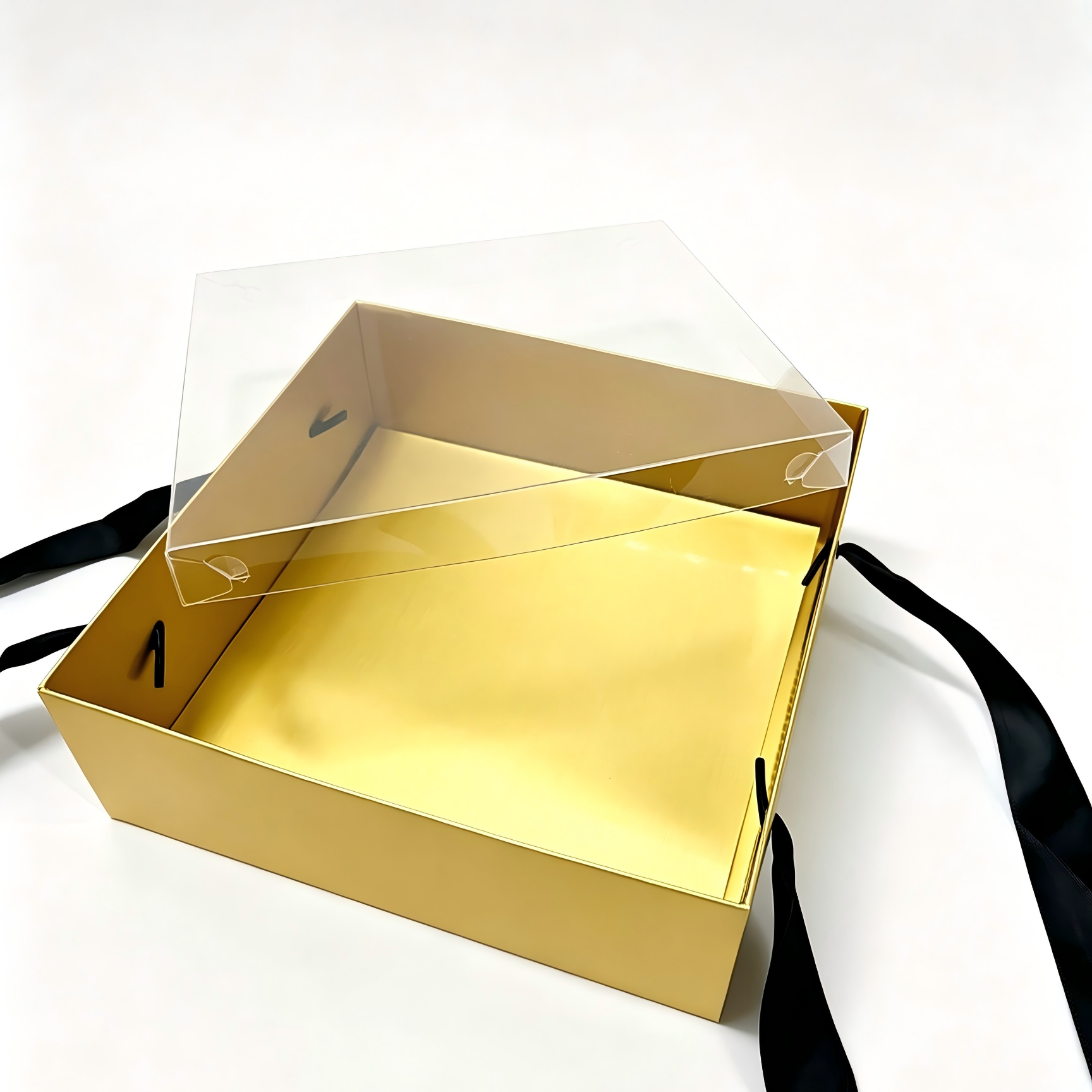
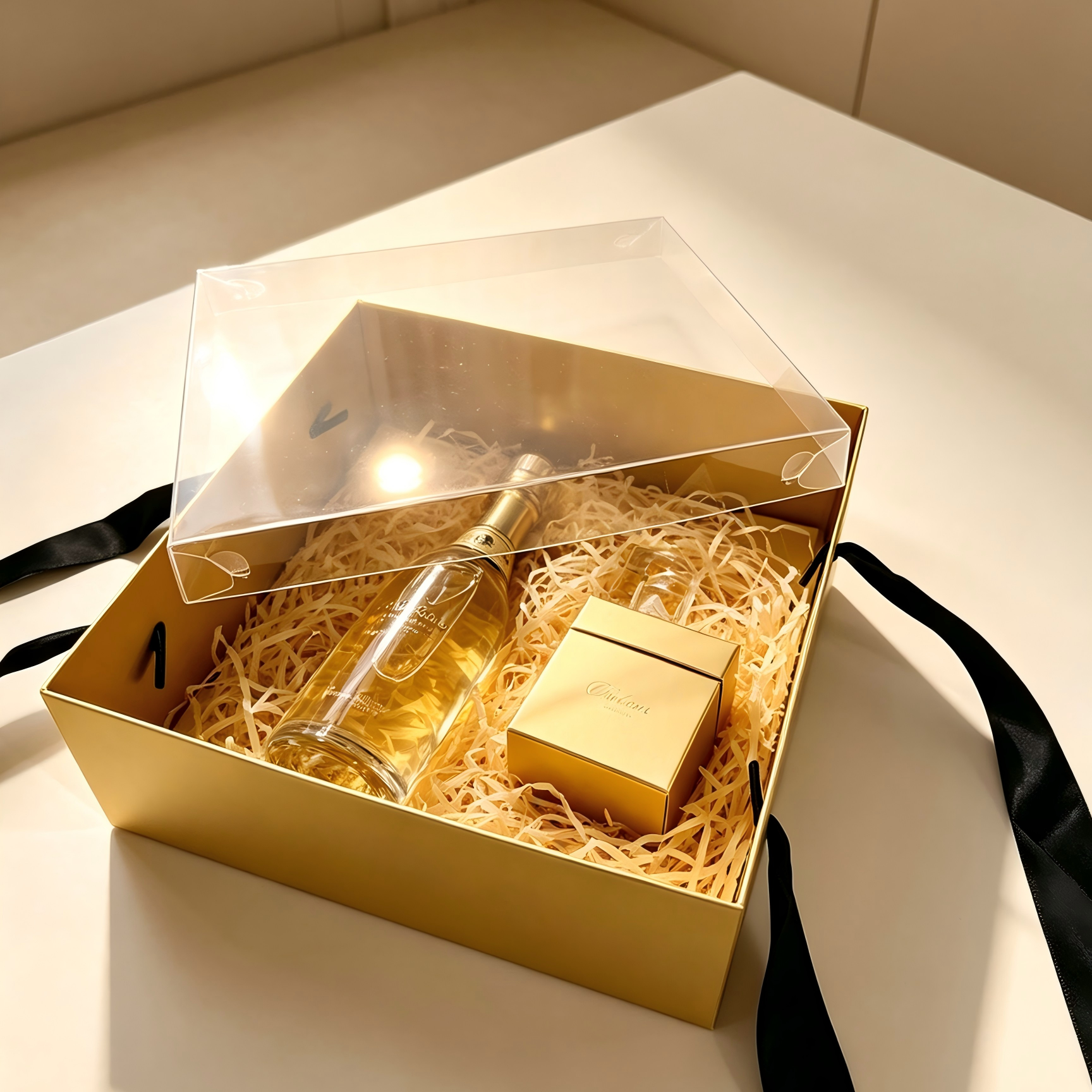
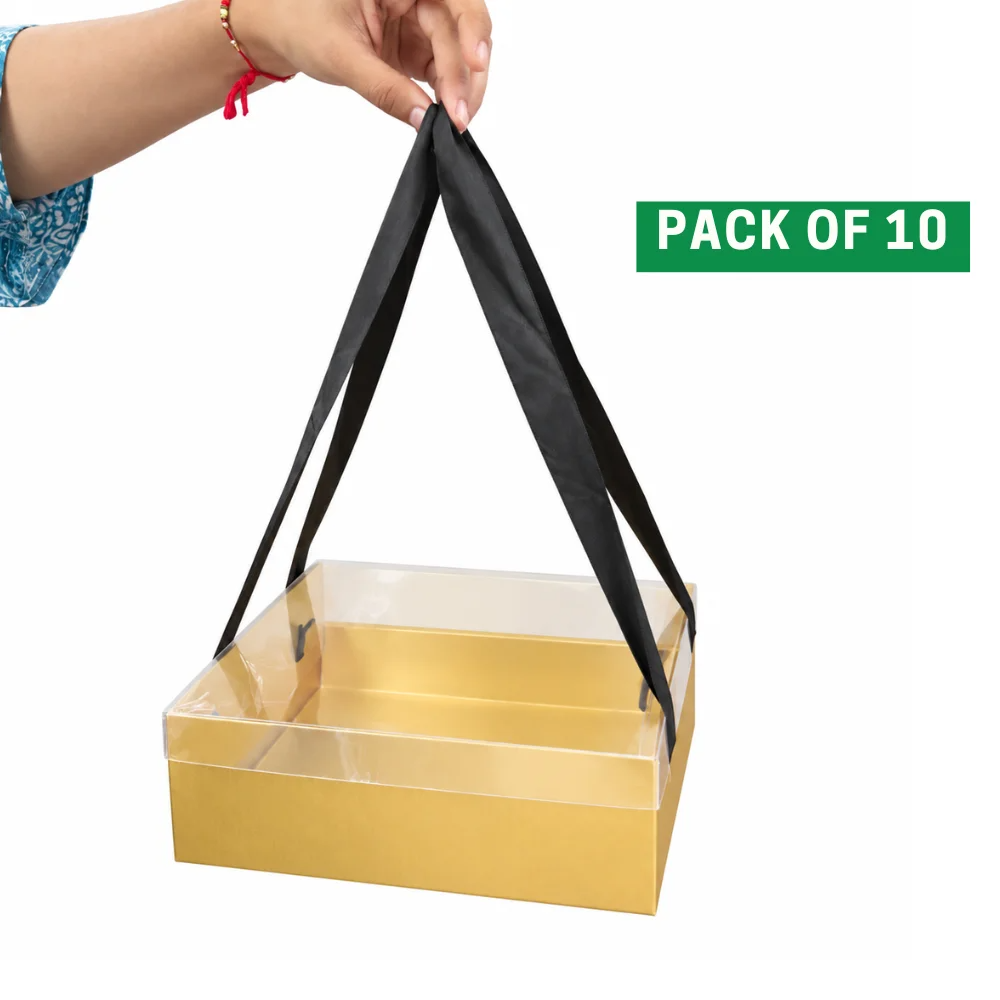
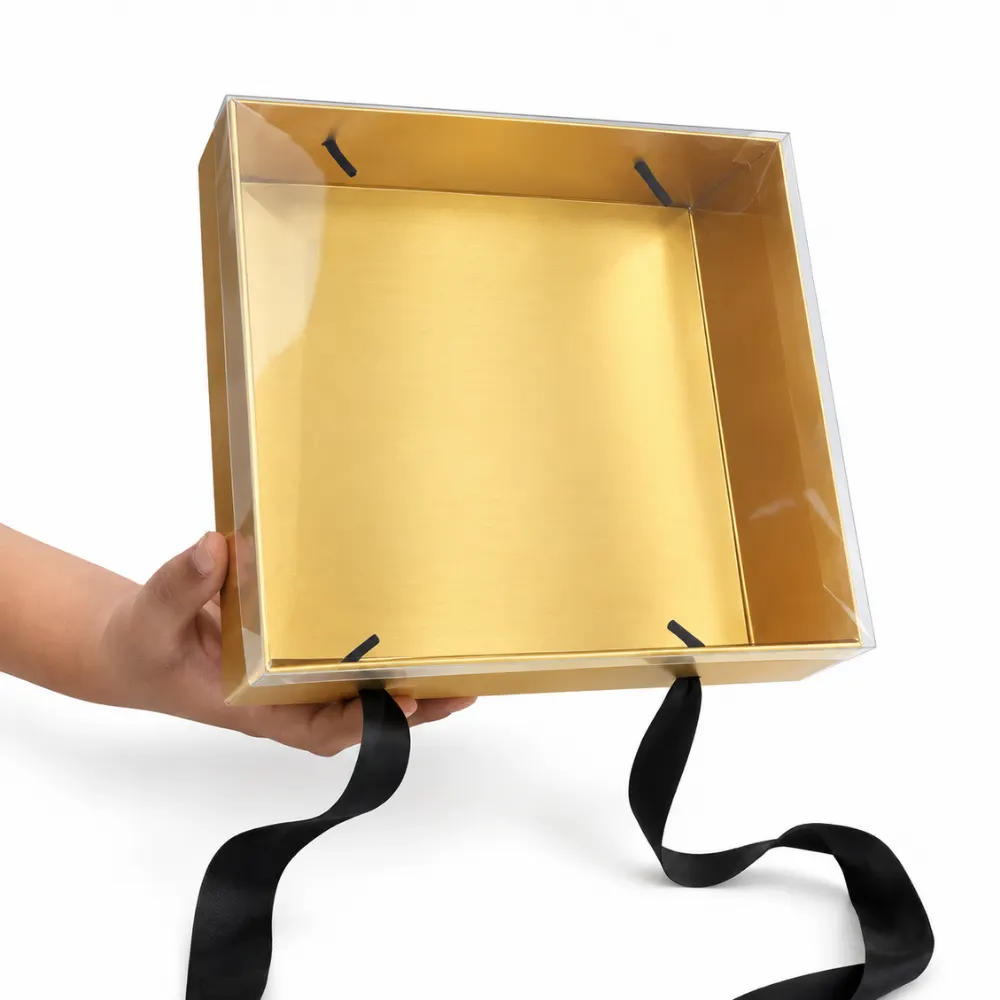
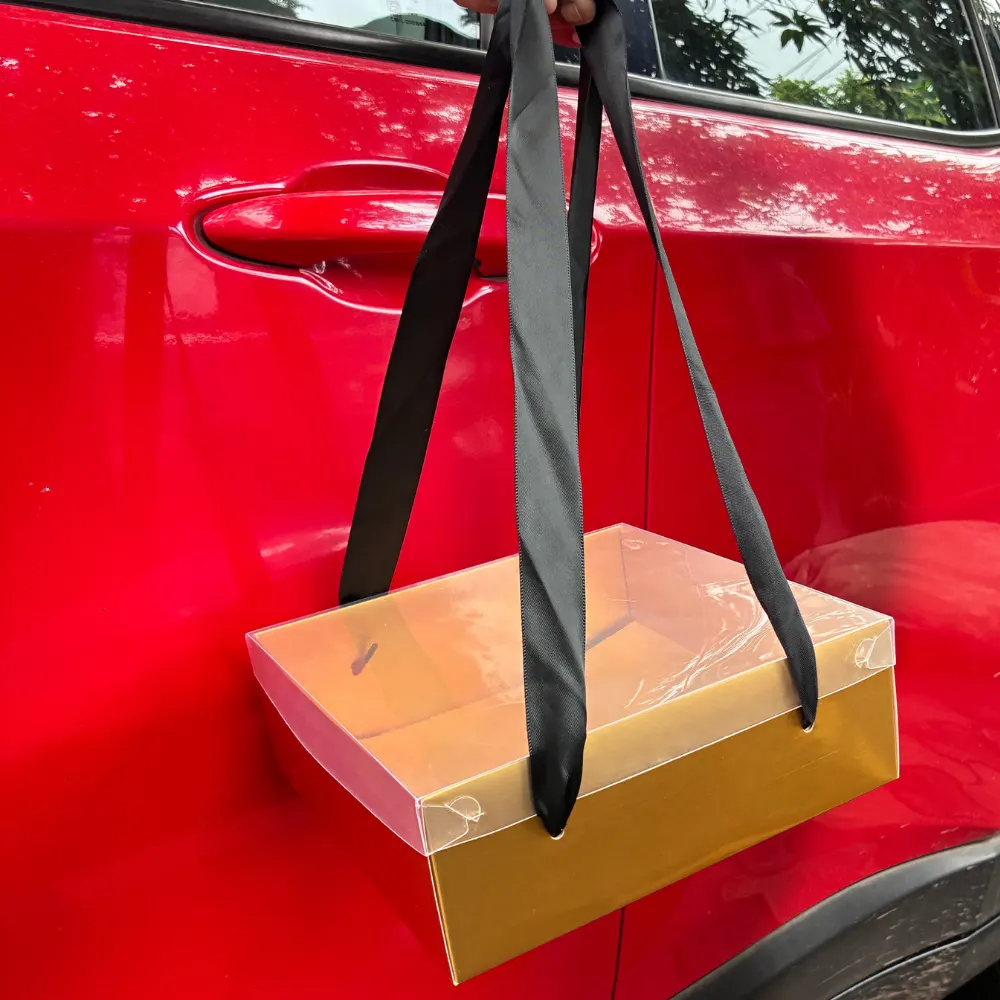
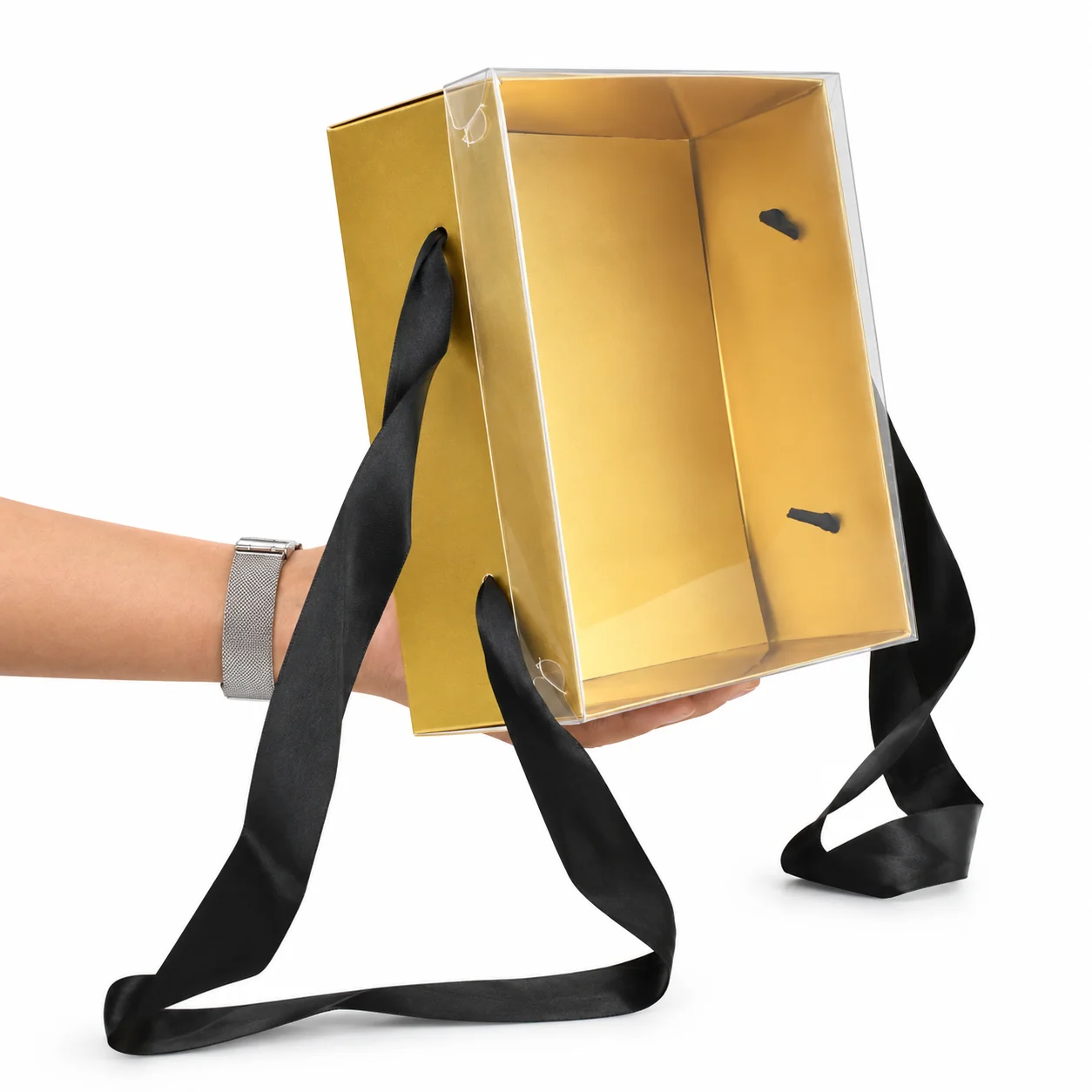
Oasis® Gold Foldable Square Hamper Box With Transparent Lid – Set Of 10
932
1,500
38% Off





 Start Chat